 |
Jan & Jan-Jan's Rejseklubben is an exclusive club, with only 2 members, and we do NOT accept new members. |
 |
 |
 |
 |
 |
 |
 |
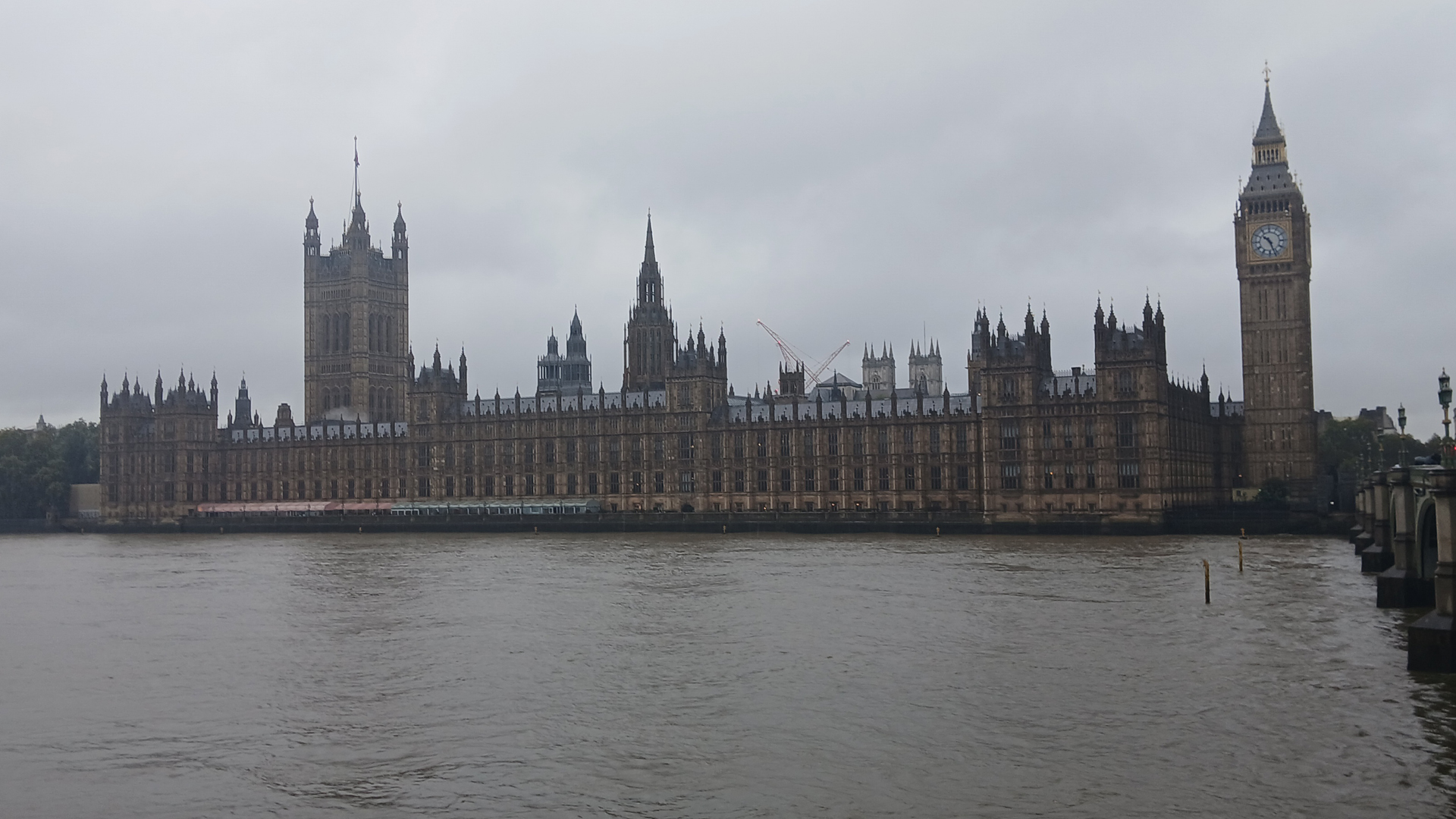
The Palace of Westminster is the meeting place of the Parliament of the United Kingdom and is located in London, England. It is colloquially known as the Houses of Parliament after the House of Commons and the House of Lords, the two legislative chambers which occupy the building. The palace is one of the centres of political life in the United Kingdom; "Westminster" has become a metonym for the UK Parliament and government, and the Westminster system of government commemorates the name of the palace. The Elizabeth Tower of the palace houses the bell nicknamed Big Ben and is a landmark of London and the United Kingdom in general. The palace has been a Grade I listed building since 1970 and part of a UNESCO World Heritage Site since 1987. |
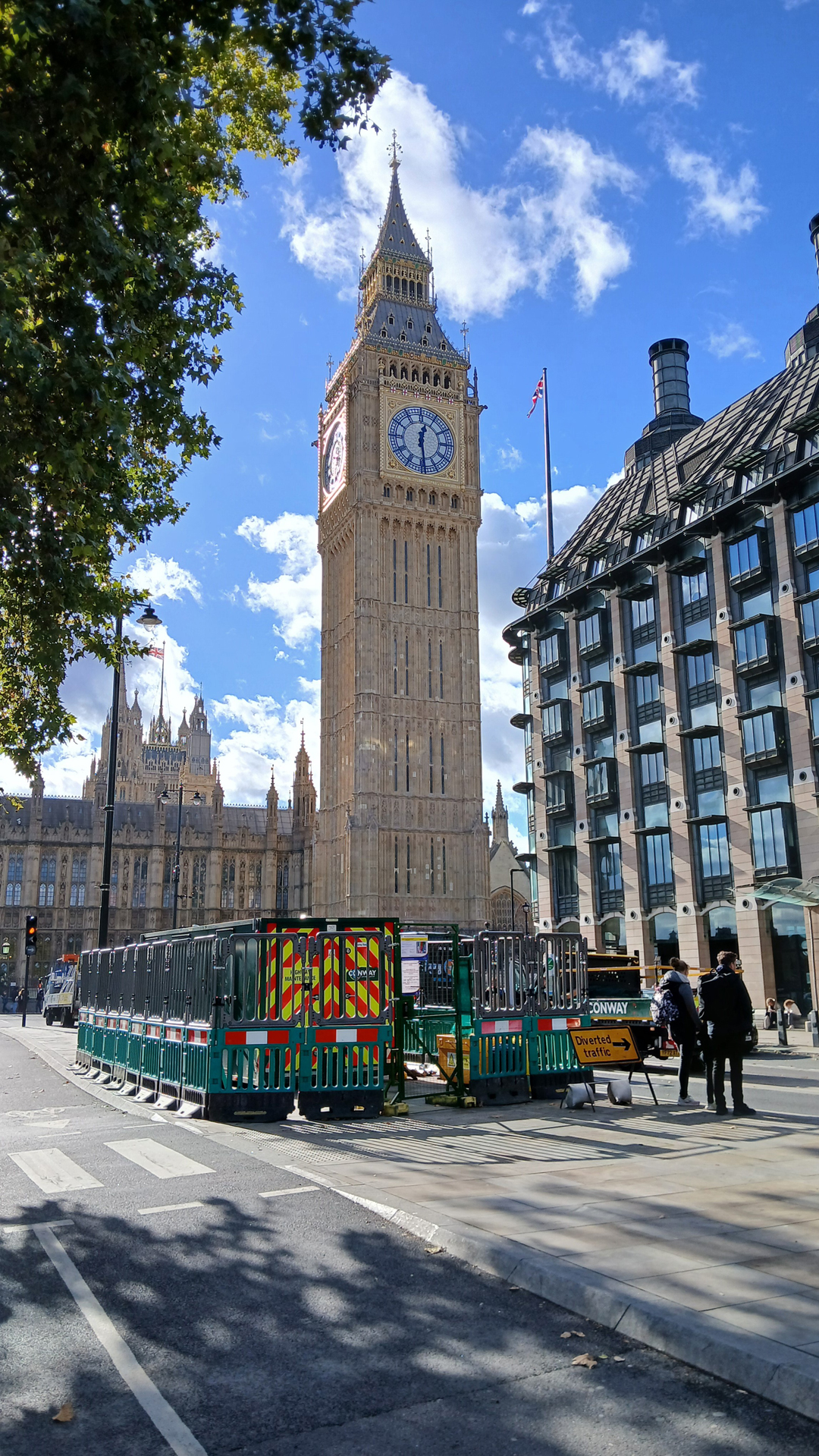 Big Ben |
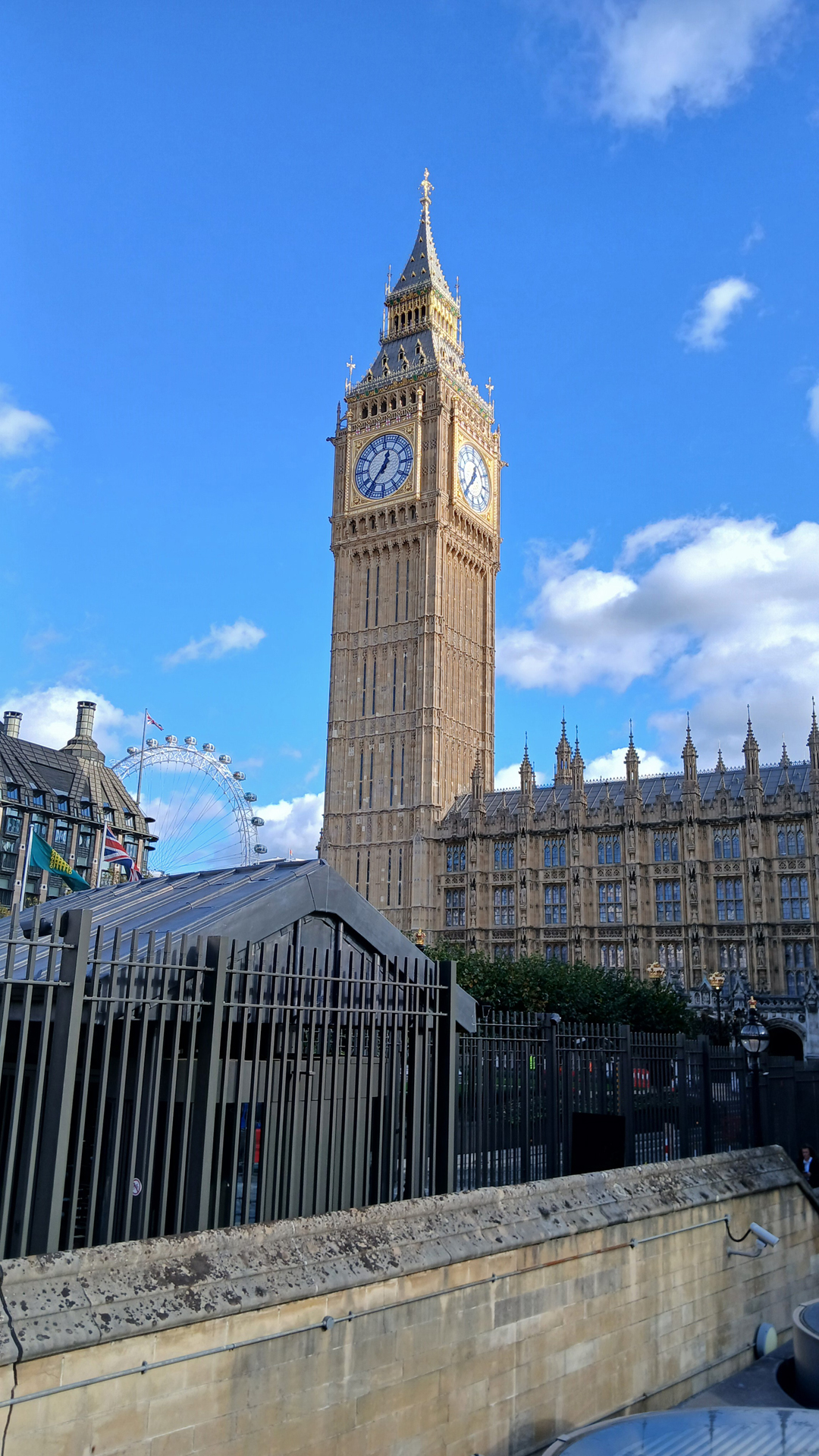 Big Ben |
Big Ben is the nickname for the Great Bell of the Great Clock of Westminster, and, by extension, for the clock tower that stands at the north end of the Palace of Westminster in London, England. Originally named the Clock Tower, the structure was renamed the Elizabeth Tower in 2012 to mark the Diamond Jubilee of Queen Elizabeth II. The clock is a striking clock with five bells. The tower was designed by Augustus Pugin and Sir Charles Barry in the Perpendicular Gothic style and was completed in 1859. It is decorated with stone carvings and features symbols related to the four countries of the United Kingdom and the Tudor dynasty. A Latin inscription celebrates Queen Victoria, under whose reign the palace was built. It stands 96 meters tall, and the climb from ground level to the belfry is 334 steps. Its base is square, measuring 12 meters on each side. The dials of the clock are 6.9 meters in diameter. The clock uses its original mechanism and was the largest and most accurate four-faced striking and chiming clock in the world upon its completion. |
The Victoria Tower is a square tower at the south-west end of the Palace of Westminster in London, adjacent to Black Rod's Garden on the west and Old Palace Yard on the east. At 98.5 meters it is the tallest part of the palace, being 2.2 meters taller than the Elizabeth Tower (which contains Big Ben) at the north end of the building. It was designed by Charles Barry and Augustus Pugin in the Perpendicular Gothic style and was completed in 1860. It houses the Parliamentary Archives in archive conditions meeting the BS 5454 standard, on 12 floors. All 14 floors of the building were originally linked via a single wrought-iron Victorian staircase of 553 steps, of which five floors survive. The steps are made of granite quarried from Cairngall in Aberdeenshire. The main entrance at the base of the tower is the sovereign's entrance, through which the monarch passes at the State Opening of Parliament. On top of the Victoria Tower is an iron flagstaff from which flies the Union Flag or, when the sovereign is present in the palace, the royal standard. The flag used to be flown only on days when either House of Parliament sat, but since January 2010 it has been flown every day. The Victoria Tower was purpose-built as a "fireproof repository for books and documents", as required by the competition to rebuild the Palace of Westminster after the fire of 16 October 1834, which had destroyed the building and almost all of the records of the House of Commons. The records of the House of Lords survived the conflagration because they were, at the time, stored in the Jewel Tower, which was at a distance from the main building and still stands across the road from the Victoria Tower. The tower was originally named the King's Tower because the fire of 1834 that destroyed the old Palace of Westminster occurred during the reign of King William IV. |
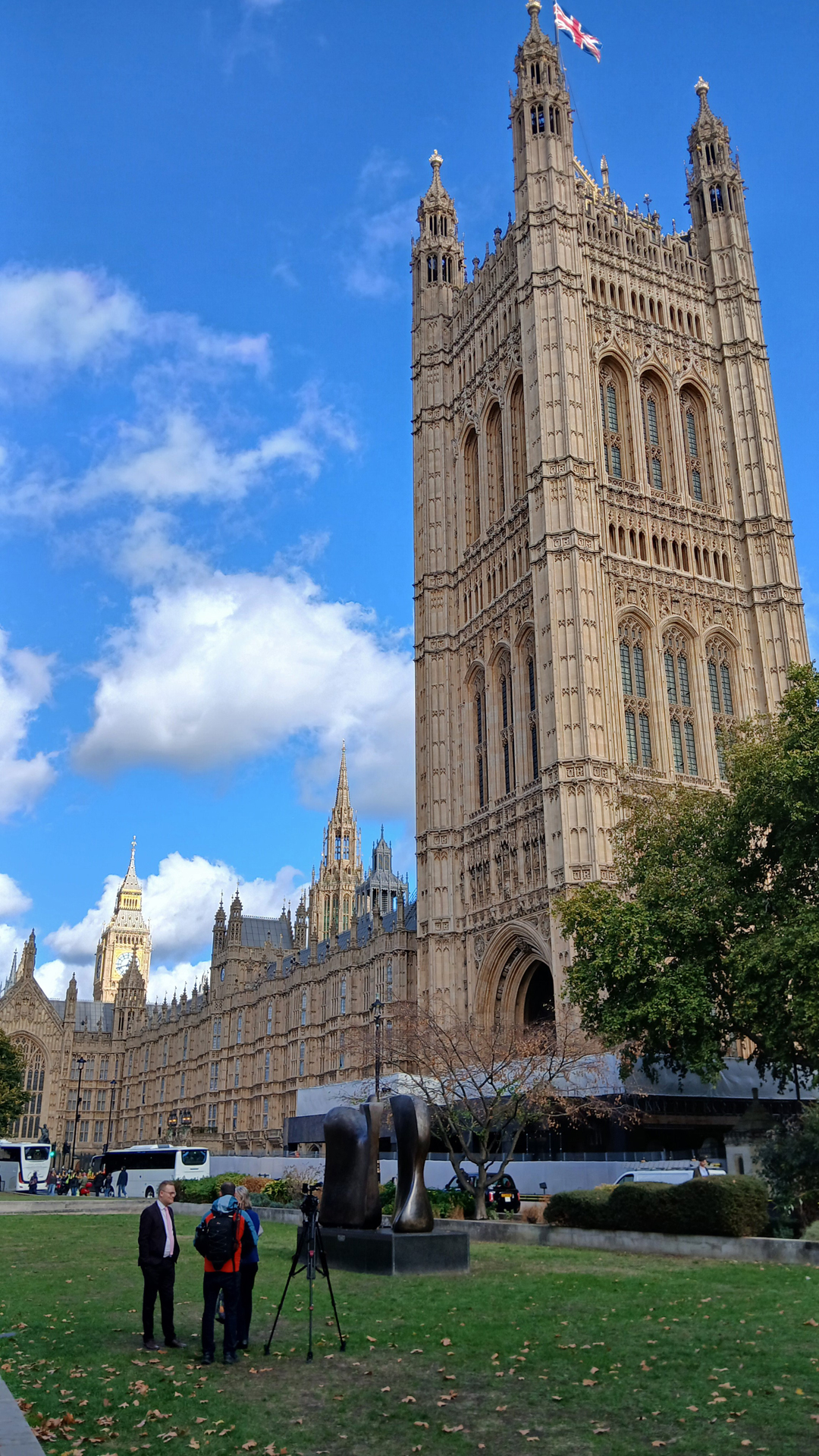 Victoria Tower |


|
www.rejseklubben.info Copyright © All Rights Reserved |
|